
Achieve Unmatched Quality Using Advanced Industrial Machining Technologies
Achieving unmatched quality in manufacturing has become a critical objective for industries striving to stay competitive in an increasingly demanding global market. One of the most effective ways to attain this level of excellence is through the implementation of advanced industrial machining technologies. These state-of-the-art techniques not only enhance precision and efficiency but also significantly reduce production errors, enabling manufacturers to meet the high standards expected by today’s consumers. From aerospace to automotive, medical devices to electronics, industries across the board are leveraging these technologies to push the boundaries of what is possible in product quality and performance. Advanced machining technologies encompass a range of sophisticated processes, including computer numerical control CNC machining, electrical discharge machining EDM, laser cutting, and additive manufacturing, among others. CNC machining, for example, allows for highly automated and repeatable production with tolerances often within microns, which is essential for complex and intricate parts.
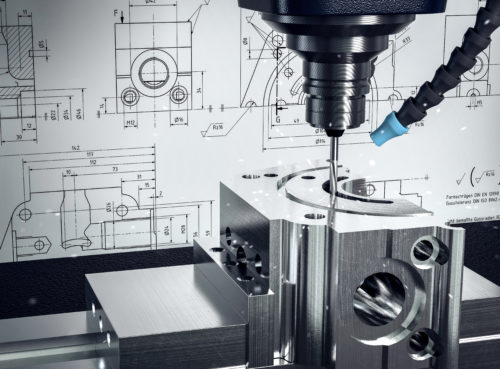
With real-time feedback systems and advanced sensors, CNC machines ensure every detail is produced accurately, reducing human error and minimizing material waste. Similarly, EDM is used to create intricate shapes and fine details in hard materials, making it invaluable for tool and die making where precision is paramount. Another major contributor to improved quality is the integration of digital technologies such as artificial intelligence AI, machine learning, and the Internet of Things IoT into machining processes and analyze on is cnc machining hard. These technologies enable predictive maintenance, real-time process monitoring, and adaptive control systems that adjust parameters on the fly to maintain optimal conditions. For instance, AI algorithms can analyze data from sensors to detect potential defects before they occur, ensuring consistent output quality. IoT connectivity also allows machines to communicate with each other, streamlining production lines and improving coordination across operations. Moreover, the rise of high-performance materials, such as advanced composites and high-strength alloys, has increased the demand for machining technologies capable of handling difficult-to-machine substances.
Modern cutting tools with specialized coatings and geometries have been developed to meet these challenges, delivering superior surface finishes and extended tool life. Ultrasonic and laser-assisted machining techniques further expand capabilities by enabling the precision processing of brittle or heat-sensitive materials, which are increasingly common in high-tech applications. The benefits of using advanced machining technologies extend beyond product quality. They also contribute to greater sustainability and Uneed cost-effectiveness. By reducing waste, lowering energy consumption, and minimizing rework, these technologies support more environmentally friendly manufacturing practices. Furthermore, their ability to produce parts right the first time shortens lead times and enhances overall productivity. These technologies not only redefine precision and performance standards but also provide a foundation for innovation, efficiency, and sustainability. As the industry continues to evolve, those who invest in and master these cutting-edge solutions will be best positioned to lead in quality and customer satisfaction.